By agency reports
Behind closed doors in Tel Aviv, Israel’s security establishment says the clock is ticking again.
Intelligence officials claim they are watching Iran rapidly rebuild what was damaged before—its ballistic missile production lines, its ground-to-ground missile capabilities, and air defense systems that Israel says were severely hit during the June operation.
According to Israeli military assessments, this recovery is not slow or symbolic; it is systematic, deliberate, and aimed at restoring large-scale strike capacity.

For Israel, this is not just another military development. Senior commanders describe Iran’s missile arsenal as an existential danger, on par with Tehran’s nuclear ambitions.
In private briefings and public warnings alike, Israeli officials say the next confrontation with Iran will not resemble previous clashes.
They believe it would be the most complex and most difficult war Israel has ever faced—spanning multiple fronts, involving cyber operations, and extending far beyond Israel’s immediate borders.
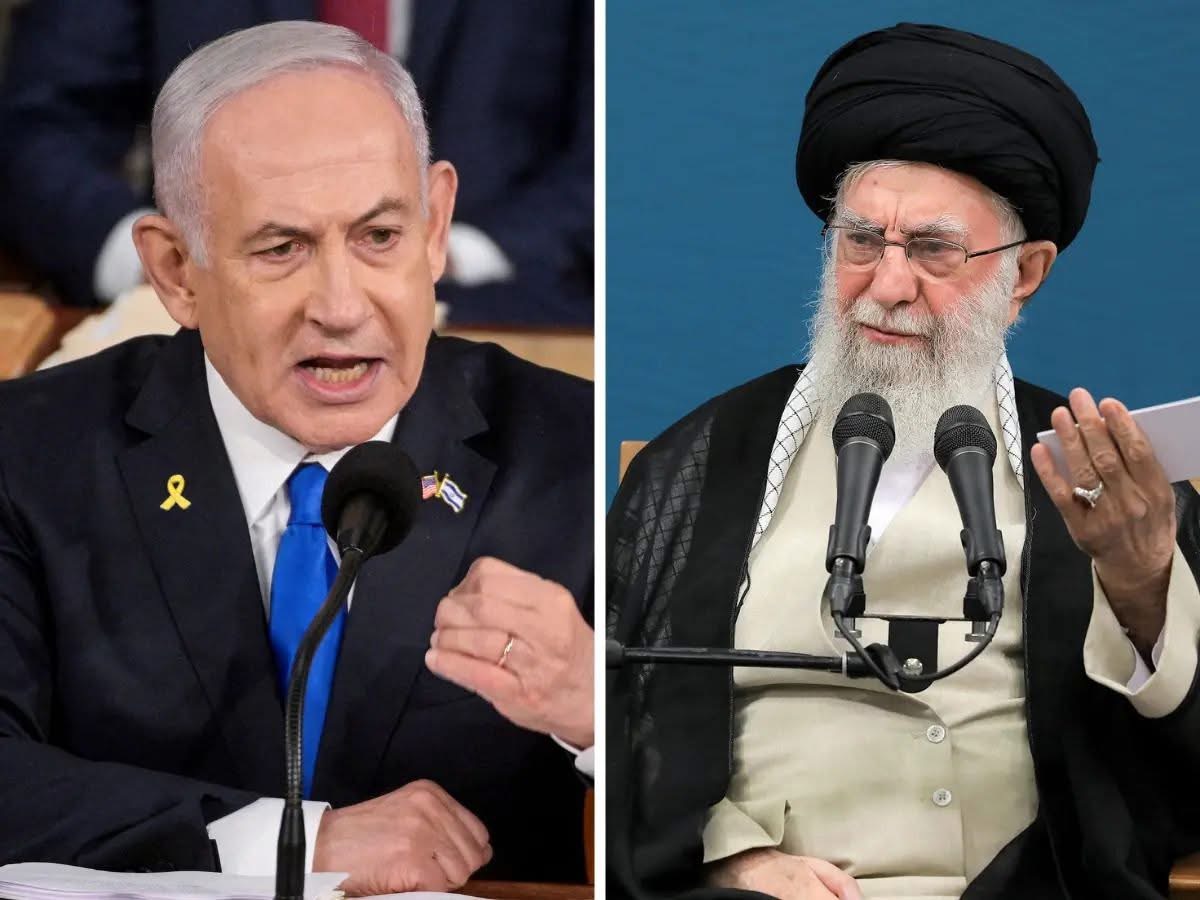
This sense of urgency is now shaping Israel’s diplomacy. Israeli media reports say Prime Minister Benjamin Netanyahu plans to raise Iran directly when he meets Donald Trump in Florida on December 29.
While Gaza, Hezbollah, and regional arms sales will be discussed, the Iranian file is expected to dominate the conversation.
Israeli officials suggest Netanyahu will seek alignment—or at least understanding—on possible strike plans, framing Iran as the central threat behind every surrounding front.
At the same time, Israeli military outlets warn that Iran is no longer relying solely on missiles. They claim Tehran has already launched a cyber campaign capable of inflicting serious damage on Israel’s security infrastructure.
In Israel’s telling, this is all part of one long war—one in which Iran is portrayed as the architect behind the encirclement of Israel, funding, arming, and directing forces meant to tighten the noose around the country.
Israeli leaders insist that their army’s “long arm” will continue to strike wherever necessary, near or far, and that Iran remains the core battlefield even when the fighting appears elsewhere.
Iranian military leaders say they are watching Israel closely, but not with fear. They dismiss Israeli warnings as theater—loud threats meant to distract from deeper problems inside Israel itself.
According to Iran’s deputy chief of armed forces, Israel’s aggressive rhetoric is not a sign of strength, but of confusion and internal weakness.
He argues that Israel is resorting to media campaigns, political pressure, and military posturing to conceal what Iran describes as a serious defeat suffered during Israel’s earlier actions against Iranian targets.
From Tehran’s perspective, Israel is increasingly isolated, scrambling diplomatically and militarily, and using Iran as a scapegoat to rally support and mask strategic failure.
Iranian officials insist that Israel’s threats reveal desperation rather than dominance, and they portray the regime as standing alone, struggling to maintain deterrence through intimidation rather than actual power.
As both sides harden their language, one reality becomes clear: Israel speaks as if a decisive confrontation with Iran is inevitable, while Iran speaks as if Israel is already losing control of the narrative—and the balance of power.
Between these two irreconcilable views, the region once again finds itself caught between warning signals, quiet preparations, and a war of words that may be preparing the ground for something far more dangerous.