You can teach your children to hate. No law on earth can undo that once it’s embedded and then it may never be undone.
This is the dilemma Muslims face today.
This isn’t just about the crimes done to us, It’s about generational conditioning. Trauma passed down not for decades, but centuries.
Most cultures and belief systems have evolved. They’ve confronted their darker chapters and demons, learned to coexist, softened the hard edges, and found ways to live together despite their differences.

Japan had two nuclear bombs dropped on its land. Two cities erased. Hundreds of thousands killed.
And yet Japan rebuilt, modernized, reconciled, and became one of the most peaceful and productive societies on Earth.
They didn’t pass hatred down through generations. They chose evolution over grievance.
Germany is another example. After Nazism, after the Holocaust, after a divided nation and the Berlin Wall, Germany faced its crimes head-on.
It rebuilt its institutions, taught its history honestly, rejected extremist ideology, and reunited as a country. The Berlin Wall fell.
East and West became one again. They didn’t cling to victimhood. They chose accountability and progress.
That’s what evolution looks like.
Other religions reinterpret their texts with time. They don’t literally reenact every ancient command. They adapt. They evolve. They contextualize.
Take Christianity and Judaism. The story of Abraham being asked to sacrifice his son is understood as symbolic, a test of faith, not a literal instruction for future generations.
Christians don’t take their sons up mountains to sacrifice them in obedience to God, according to the Bible it was a prelude to God sacrificing His Son for our sins.
And Jews don’t practice this literally either. Those stories are taught today as moral lessons about faith, restraint, and ultimately mercy.
That’s what evolution inside a belief system looks like.
Ancient texts are read through modern lenses. Difficult passages are acknowledged, debated, and reinterpreted. People move forward.
Most religious communities have separated historical context from modern life. They’ve rejected literalism where it conflicts with basic human values.
But political Islam, as an ideology, hasn’t done that.
And moreover, this is also about which religious leaders within the Islamic community now hold the most power and influence.
Unfortunately, it isn’t the voices reading the Quran through a softer, modern lens. It’s the hard-line clerics who have become the most influential.
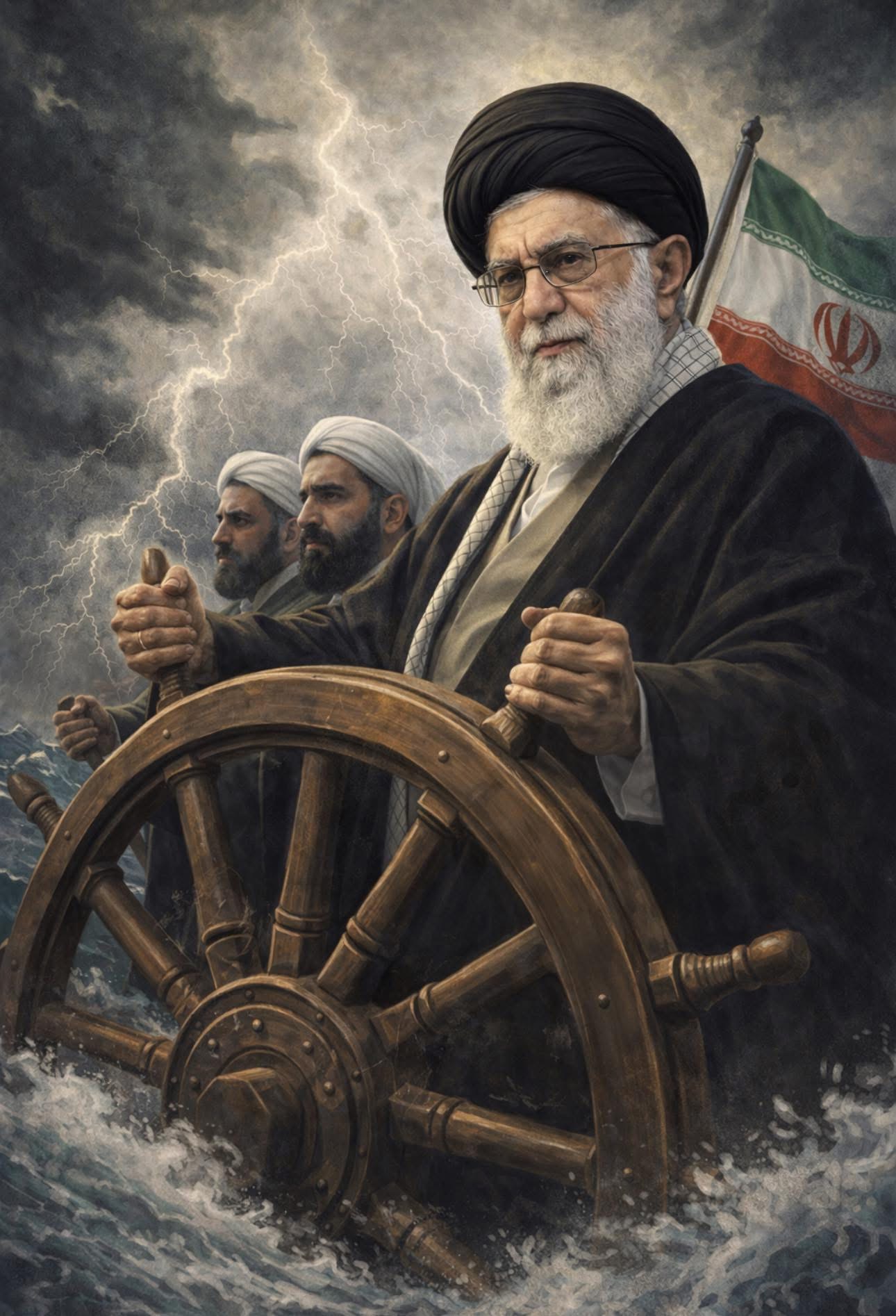
They are the ones steering the entire ship. They shape the culture, the politics, and the narrative, and their dominance leaves little or no room for reform.
It still glorifies conquest. It still frames outsiders as enemies. It still elevates obedience over conscience. It still treats martyrdom as virtue.
It holds to account all the apostates. And it still models itself on a seventh-century framework built around dominance, not coexistence.
Islamism doesn’t evolve.
And that is the real problem.
This isn’t about race. It isn’t about ordinary Muslims living peaceful lives.
It’s about a rigid ideological system that has refused reform and continues to produce conflict wherever it gains power.
Until that changes, no amount of Western tolerance, social media activism, or legal protections will fix it.
You don’t defeat hatred with slogans.
You defeat it by confronting the ideology that keeps regenerating it!